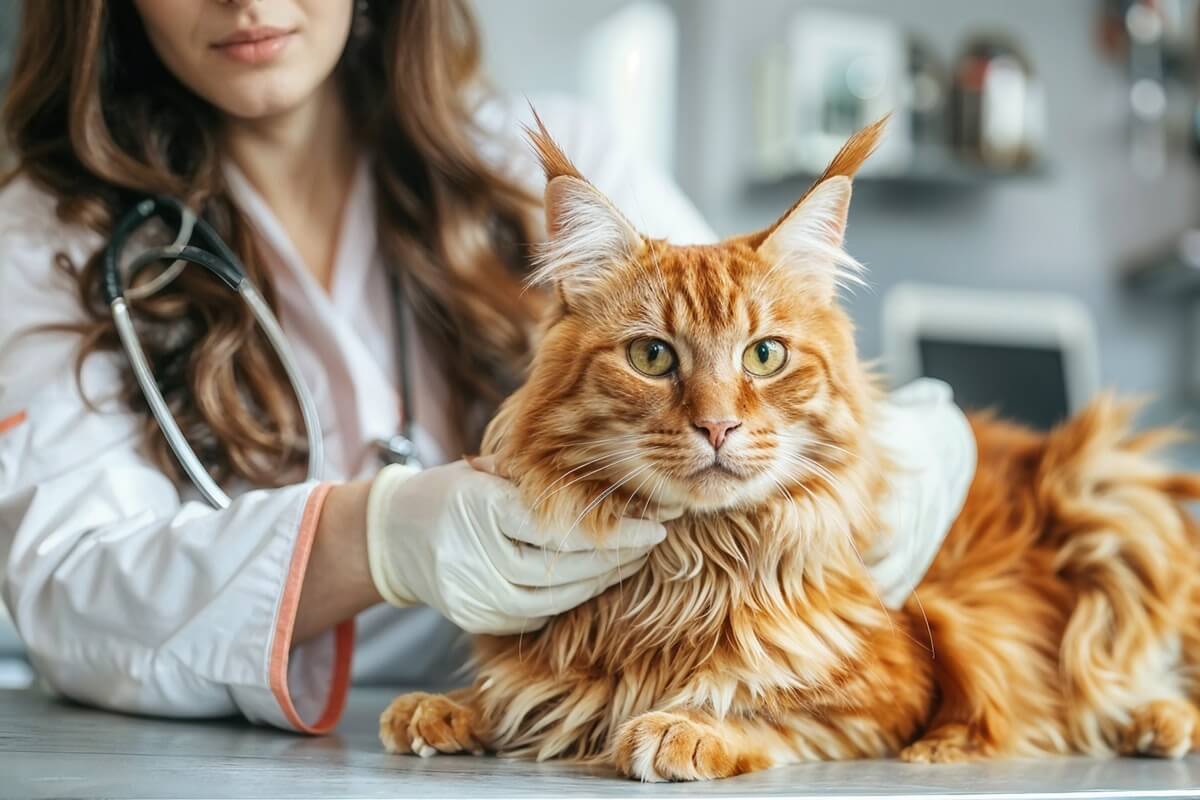
Rabbits are popular and endearing small pets — yet they are also susceptible to several serious, often fatal diseases. Precisely because some of these illnesses have no effective treatment once they break out, vaccinations are the central pillar of preventive health care. In this guide you will learn which vaccinations are important and what a sensible vaccination schedule looks like.
The Most Important Vaccinations
There are two diseases against which rabbits should always be vaccinated: myxomatosis and Rabbit Haemorrhagic Disease (RHD), also known as rabbit plague.
Myxomatosis is caused by the myxoma virus and is transmitted mainly by blood-sucking insects such as mosquitoes, but also through direct contact. Typical signs include swelling around the eyes, ears, mouth and genital area, inflamed eyes, breathing difficulties and lethargy.
RHD occurs in the variants RHDV-1 and RHDV-2. Both forms are highly contagious and frequently fatal; internal bleeding often leads to rapid death. Transmission occurs through direct contact, contaminated objects, insects and even through the air.
Many of these diseases cannot be treated once they break out — vaccination is therefore the only reliable protective measure.
There are now combination vaccines that protect against both myxomatosis and RHD at the same time, reducing the number of injections required.
Additional Vaccinations
Depending on the rabbit’s way of life, further vaccinations may be advisable. Rabbit snuffles (pasteurellosis) is a bacterial respiratory infection that is mainly relevant for rabbits kept outdoors or animals in contact with others. Vaccination against clostridiosis, by contrast, is not routinely recommended and is only considered in special cases after consulting a vet.
A Sensible Vaccination Schedule
For a rabbit kept outdoors in Germany, the following schedule has proven effective:
- Myxomatosis: first vaccination from 4 to 6 weeks of age, booster annually, ideally in spring before the mosquito season
- RHD (RHDV-1 and RHDV-2): first vaccination also from 4 to 6 weeks, booster every six months to annually, depending on the vaccine
- Rabbit snuffles: first vaccination from 8 to 10 weeks where there is a relevant risk, booster annually
This schedule is a general guide. The actual approach should always be tailored individually to the rabbit’s age, health status and living conditions.
Risks and Proper Preparation
Like any medical procedure, vaccinations are not entirely without risk — but the side effects are usually minor. Possible reactions include local responses at the injection site, temporary listlessness or reduced appetite; allergic reactions are very rare. Observe your rabbit after vaccination and report anything unusual.
Important: only healthy animals should be vaccinated. A thorough health check is therefore part of every vaccination appointment. After vaccination, it takes a few days to weeks for full protection to build up — during this time the animal is still susceptible. With regular vaccinations and veterinary guidance, you create the best foundation for a long, healthy rabbit life.